-
Temporarily Unavailable
Home
Home
OgImage:
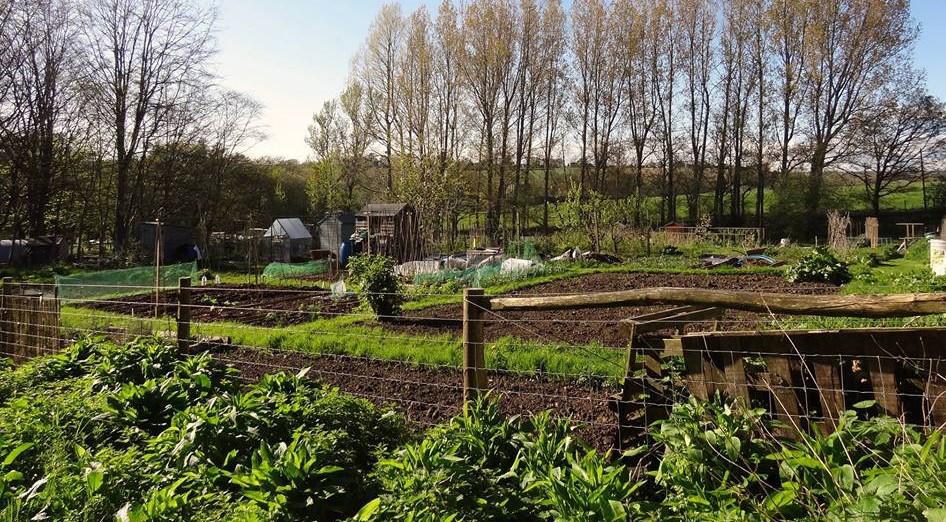
Buxted Parish Council
Buxted Parish Council came into being in 1894 when the present system of Parish Councils was instituted to give rural communities a voice. Buxted Parish covers some 7,000 acres with an electorate of about 2,500 out of a population of 3,200. It encompasses the villages of Buxted, High Hurstwood and Five Ash Down.
The parish is divided into two wards – Buxted/Five Ash Down (10 councillors) and High Hurstwood (5 councillors). Councils are elected for a term of 4 years. Council meetings are held on the second Tuesday in every month (except August and January), alternating between High Hurstwood Village Hall and Five Ash Down Village Hall, at 19.00. Meetings agendas are displayed one week in advance on the Parish notice boards in Buxted (on the Ionides Trust site), High Hurstwood (outside the village hall) and in Five Ash Down (outside the Village Hall) and on the website. The agenda includes a list of any planning applications received from Wealden District Council for consultation. All meetings of the Council and its committees are open to the public, who are welcome to ask questions or raise issues with the Council before the meetings formally begin.
An early requirement was to provide allotments, which we do. Councils can also support arts and crafts; contribute to maintenance of churchyards; protect commons, provide buildings for public meetings, functions and entertainment, provide footway lighting (we don’t), provide and maintain public open spaces, and comment on planning applications.
We also take an active interest in highways matters, policy and our environment (e.g. trees and hedgerows). More and more we have to comment on government policies for local government and voice our electors’ concerns.
Parish assets include two recreation grounds (Buxted and High Hurstwood), two allotment areas in Buxted and High Hurstwood, children’s play areas in Buxted and High Hurstwood, and two bus shelters. The budget is set annually over the period October to December. Planned expenditure less income forms the ‘Parish Precept’ which is levied as part of annual Council Tax. Apart from meeting general running expenses of the council – specifically employing our Parish Clerk – the council makes grants to local organisations and contributes to local projects e.g. Buxted Traffic calming.
The Parish Council recognises the burden of Council Tax but is also conscious of local needs for improvements in the Parish that increasingly are not being covered by either County or District as they seek to keep within national government budgets. Before increasing Precept to cover costs of local improvements such as the recent traffic calming, the Parish Council ensures that such improvements are what our electorate want and are prepared to pay for.
Councillors sit on various committees (e.g. Finance & Planning) and outside bodies (e.g. Ionides Trust, village hall committees). Each keeps an eye on different parts of the Parish, e.g. for planning purposes and trees.
Our Parish Clerks, Beccy Macklen & Claudine Feltham (01435 515219) clerk@buxted-pc.gov.uk, who act as the Council’s ‘proper officers’ on the Council’s behalf and under its direction.
Latest Parish News
Planning Appeal Notification: LAND NORTH OF BUXTED ROAD, COOPERS GREEN, FIVE ASH DOWN
05
October 2026
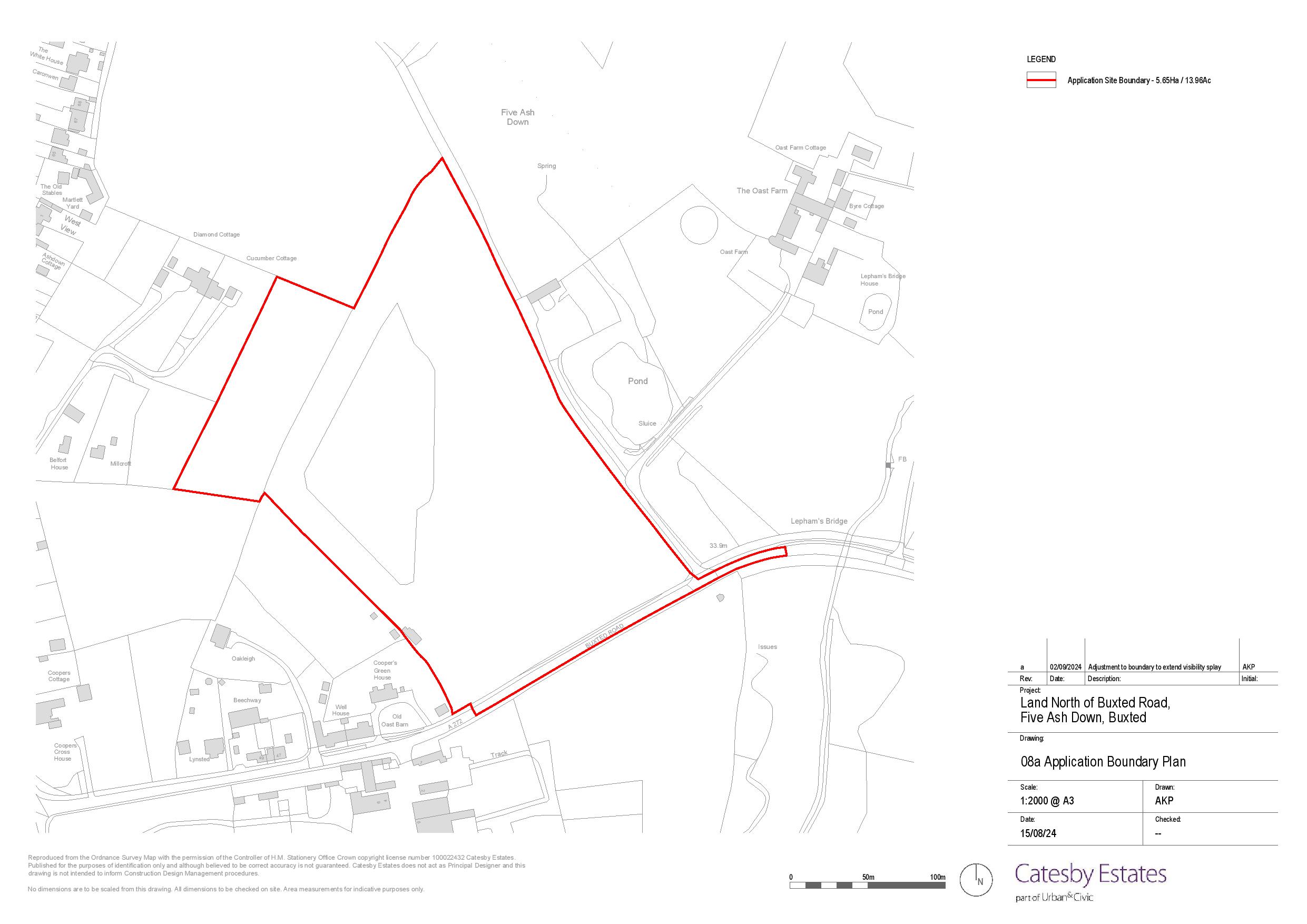
Buxted Parish Council has been advised an appeal has been lodged against the refusal of planning permission for the following site:
Appeal by Catesby Strategic Land Limited and Robin Nathan an (the Appellant) Site: LAND NORTH OF BUXTED ROAD, COOPERS GREEN, FIVE ASH DOWN, UCKFIELD, TN22 4AT
Proposal: OUTLINE APPLICATION WITH ALL MATTERS RESERVED EXCEPT FOR ACCESS (EXCLUDING INTERNAL ESTATE ROADS) FOR THE ERECTION OF UP TO 75 RESIDENTIAL UNITS, WITH THE ASSOCIATED VEHICULAR AND PEDESTRIAN ACCESS FROM BUXTED ROAD AND ASSOCIATED INFRASTRUCTURE, LANDSCAPING, AND PUBLIC OPEN SPACE Planning Inspectorate Ref: 6014573
Please see attached letter advising how comments on this appeal can be submitted to the appeal inspector.
Reporting Highway Flooding and Drainage Issues to East Sussex Highways
28
September 2026
As we move into the autumn and winter months, residents may notice an increase in flooding on roads and footways during periods of heavy rainfall.
East Sussex Highways, which is responsible for highway drainage across the county, has advised that, due to financial pressures, it is currently focusing on responding to reported emergencies but will plan for routine preventative drain and gully clearance from November. This approach applies across East Sussex and is not specific to Buxted parish area.
If you encounter flooding that you believe may be caused by a blocked highway drain or gully, please report it directly to East Sussex Highways using their emergency reporting service. Providing the exact location, including a What3Words reference where possible, will assist their teams in responding quickly. Call East Sussex Highways on 0345 60 80 193. Their contact centre operates from 08:30 to 17:00 Monday to Thursday and 08:30 to 16:30 on Friday, with an emergency-only service outside these hours.
Non-emergency drainage issues can reported via their website:
Report a drainage problem | live.eastsussexhighways.com
While Buxted Parish Council is not responsible for maintaining highway drains, we are keen to understand the impact on local residents and raise concerns with the relevant authority where appropriate. We would therefore appreciate residents copying any reports to the Clerk at clerk@buxted-pc.gov.uk
By working together and reporting issues promptly, residents and the Parish Council can help ensure that flooding and drainage problems are brought to the attention of East Sussex Highways, enabling issues to be investigated and addressed as quickly as possible for the benefit of the community.
Buxted Parish Council
My Parish
°C
 %
%
mph
FRI
 °
°
°
°
SAT
°
°
SUN
°
°
MON
°
°
TUE
°
°